
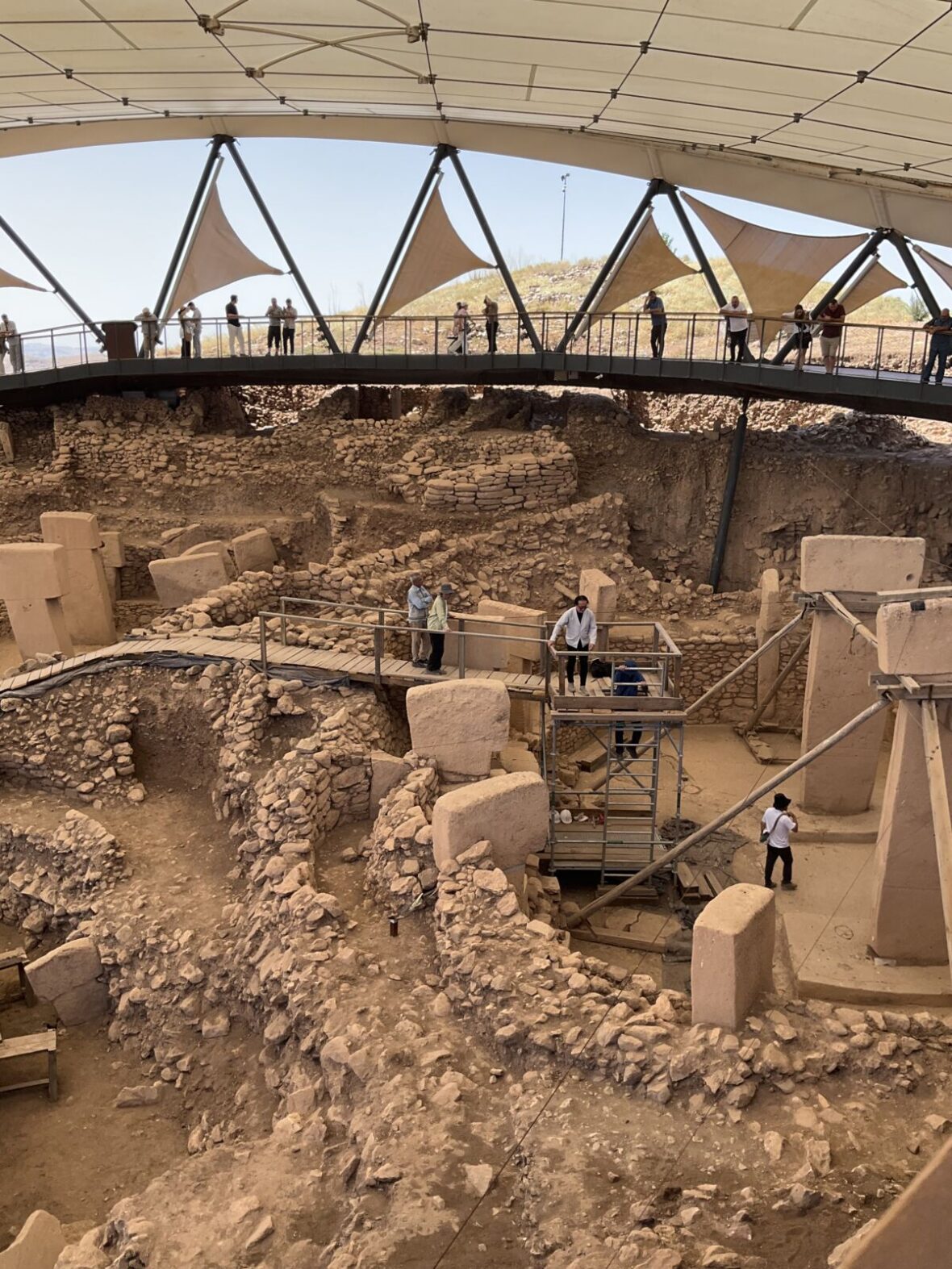
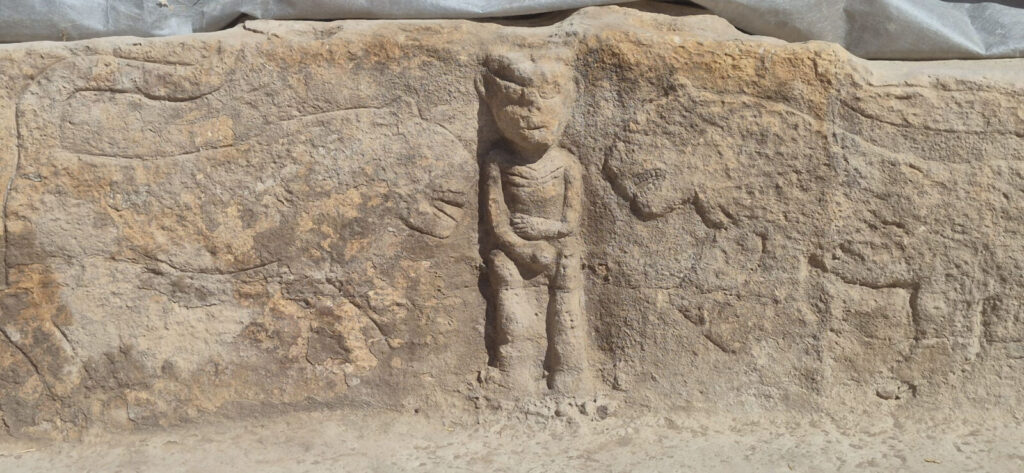
Neolithic relief carved into stone inside a communal building at the Sayburç archaeological site (VacayNetwork photo by Petti Fong)
Canada and Türkiye forge new relationship
On the agenda for the visit was, ostensibly, an eventual free trade agreement. This is what the press releases and joint statements focused on.
Last year, Türkiye received CA$1.1 billion in goods from Canada, with agri-food products, aircraft and transportation equipment, and industrial machinery accounting for two-thirds of total exports. Prime Minister Carney has been pushing for more trade with Türkiye’s government, business leaders, and investors in energy, technology, mining, aerospace, and critical minerals.
Türkiye wants Canadian investments and for Canada to take more of its goods. Canada’s direct investment in Türkiye has been steadily declining in recent years, down 20% from 2024 to $3.3 billion last year. Last year, Canada received $1.27 billion in consumer goods alone from Türkiye. In its latest economic development report, updated on Oct. 9, Türkiye listed Canada as one of the 18 countries it wants to target for more exports under its Faraway Countries Strategy, broadening its average export distance, which is below the world average. About two-thirds of Türkiye’s total exports currently go to countries that are relatively close to its own borders.
The movement of people, goods, and technology
Both countries are negotiating the movement of people, capital, goods, and technology. As a university instructor teaching journalism and business, and researching how loneliness disconnects us from each other, I understand the power of forming relationships.
The ultimate gain for countries facing tariffs and trade wars is expanding opportunities, reducing uncertainty, and building something with others when their existing relationships have become increasingly fragmented.
The geopolitical and economic tensions both Türkiye and Canada are currently encountering are creating a new reality. Partnerships and cultural diplomacy have become today’s monuments for creating shared meaning.
We are taught early on in school that regimes change due to wars, fragmentations, and clashes between rival factions.
New understanding from ancient sites
But at excavation sites in Türkiye, a new understanding has emerged over the past few decades. A different kind of power is emerging here—one that archaeologist Eylem Özdoğan, at the Sayburç site of the Stone Hills (or Taş Tepeler) excavation, is uncovering regarding how human flows were the very beginning of, and foundation underneath, all later trade flows. “This is the soft belly of power,” she told me recently. “Here the first tools for connection were made.”
On the day we spoke, a group of archaeologists from Japan was visiting, and teams from China and the UK were on their way. Türkiye’s archaeological sites are scenes of the country’s cultural soft power. First recognized in the 1990s, the discovery of this monumental architecture preceded the Egyptian pyramids by more than 7,000 years. The discovery of animal outlines, T-shaped pillars, and human faces carved into bedrock forced a shift toward a new understanding: history was not a linear progression from hunter-gathering to settlement and agriculture.
Türkiye’s archaeological sites are cultural soft power
What archaeologists discovered at the sites is not just historical relics. They tell us something about communication and social bonds.
Our early ancestors connected and communicated beyond mere survival. An urge to leave something behind was established, alongside a recognition that homes and communal places were built to do more than provide shelter against the elements. Statues took generations to mount. Societies existed before the rise of kings and leaders.
Societies can survive a long time. In the stone hills surrounding Şanlıurfa in southeastern Türkiye, communities existed for 1,500 to 2,000 years. They reacted to seismic events and still survived somehow. Special communal buildings show that the people there overcame social challenges, group conflicts, and changes in relationships.
Visiting this country revealed something to me about how we can learn from one another. Despite our differences, we can reach common ground and understanding, even among strangers. Together, we have always found ways of discussing topics that might seem impossible and building connections based on more than just the need to survive.
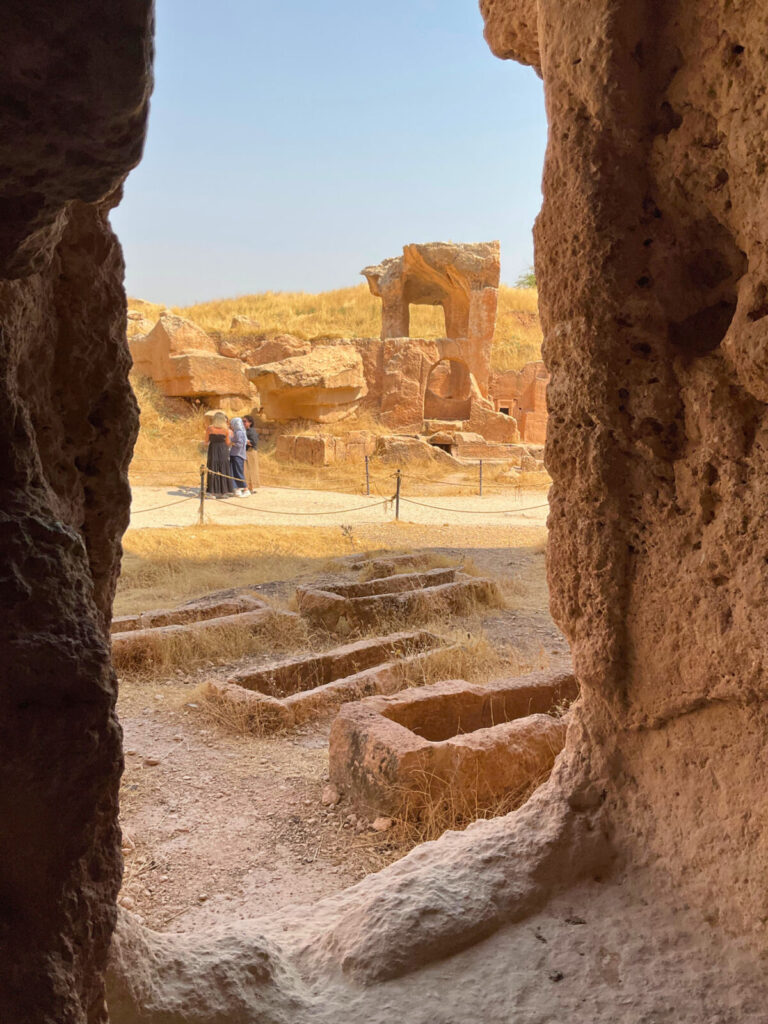
Dara Ancient City about 30 km southeast of Mardin was once an East Roman fortress city in the Byzanatine era during the 6th century. (VacayNetwork photo by Petti Fong)


