For the first in a series of stories in Vacay.ca and VacayNetwork over the upcoming weeks about America’s 250th anniversary, we might have begun in Philadelphia.
A recent visit to Tucson, Arizona revealed to me that American history didn’t begin there. Or in New York. Or Boston.
I stood watching the sunset in the Sonoran Desert and realized the United States story that made sense to me began here. Indigenous communities farmed, traded and built culture long before the Declaration of Independence was signed. Mexican and Chinese migrant workers settled here. In Tucson, food, migration, memory and communities shape a version of America older than America itself.
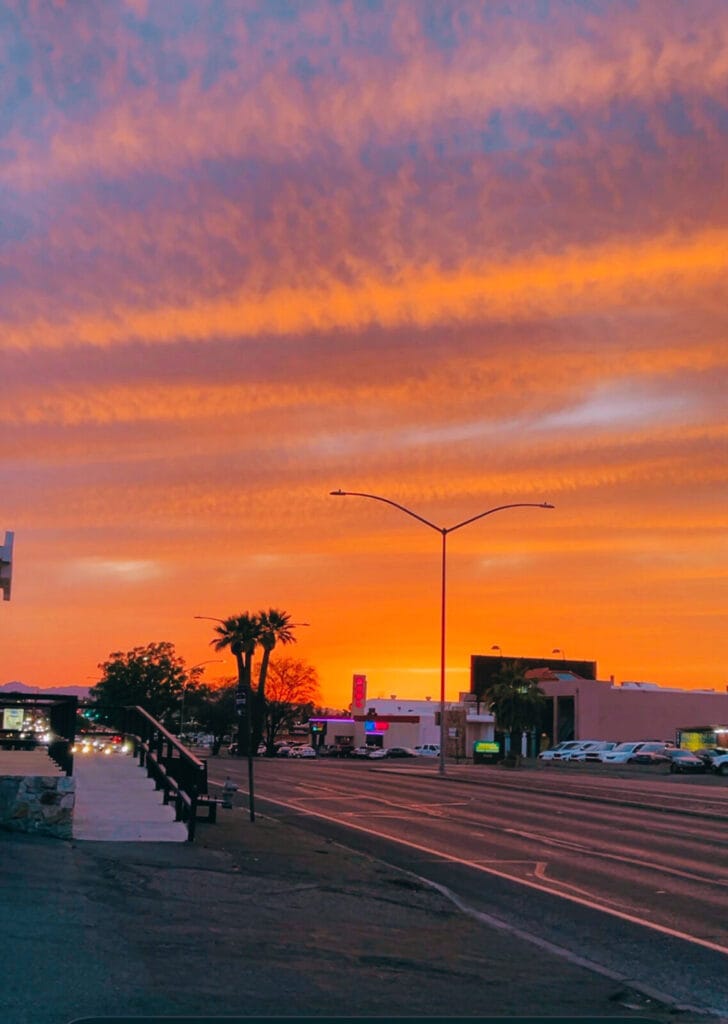
Tucson sunsets are famous because of the desert mountains (Petti Fong photo for VacayNetwork.com)
A City Older Than the U.S.
At Mission Garden, a living agricultural museum, the story of the continent unfolds and is unearthed here. Not through architecture or tombstones or other manmade structures. But it’s told and it’s telling the story of America then and today. But you can only find this story if you see the fruit trees, find the heirloom crops and the forgotten vegetables and fruits and foliage that grew here. The original village of S-cuk Son is the Tohono O’odham settlement that gave Tucson its name.
“The story of Tucson is about migrant farmers. Many of them came from China, from Mexico and they leased land from the landowners, who were typically the founding fathers of Arizona, the powerful men who had possession, titles of the land,” said Dena Cowan, the curator of collections for the garden.
Visitors to the garden are reminded through the crops and the foliage and the trees that the United States is young but the desert is ancient.
“The people who made this place what it is were the people without titles,” Cowan said. “The First Peoples. They didn’t have property, ownership. But it’s because of them and the work they did on the land, and along the banks of the Santa Cruz River, that this place exists.”
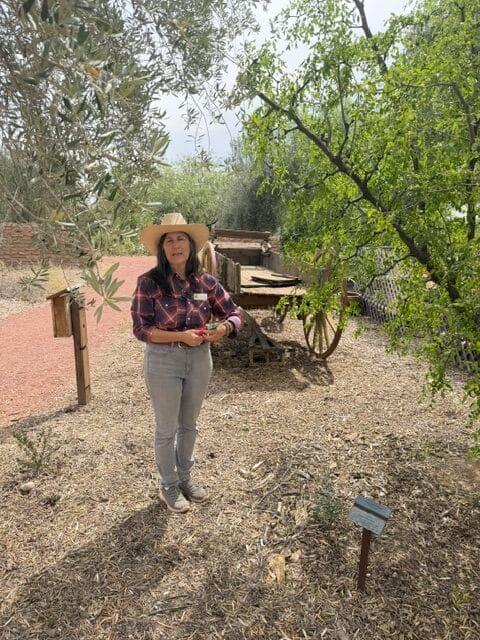
Dena Cowan, the curator of collections at the Mission Garden, a living museum of agriculture in Tucson. (Petti Fong photo for VacayNetwork.com)
If Mission Garden is Tucson’s living beating heart, Barrio Viejo is its soul. Local historian Mauro Trejo, a seventh generation Tucson resident, said the city developed differently from many others at that time. In 1860, the city had only about 915 people with fewer than one in five Anglos. The population is 95% men at that time and the intermingling of cultures began with residents marrying into Mexican families.
“Unlike other places, it’s possible for Mexican immigrants to come over and participate fully in civic and social life. They become territorial legislators or businessmen and even landowners,” Trejo said. “Our third mayor was a Mexican immigrant and by the 1880s, we had three Spanish language newspapers and only two English ones. This was a place where you can participate fully as a Mexican.”
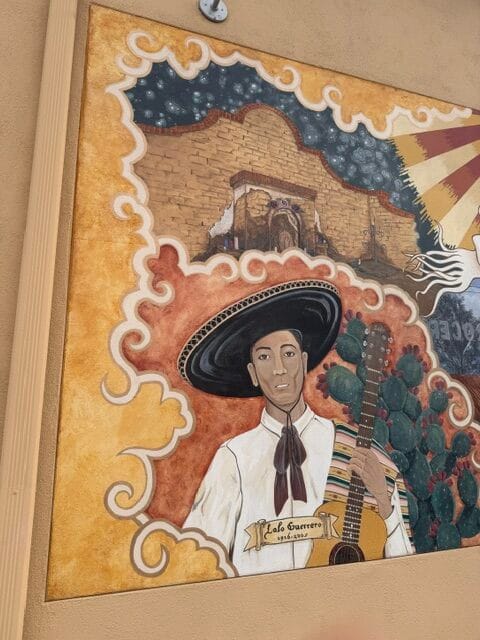
A mural depiction of pioneering musician Lalo Guerrero who grew up in Tucson and is known as The Father of Chicano Music.” (Petti Fong photo for VacyNetwork.com)
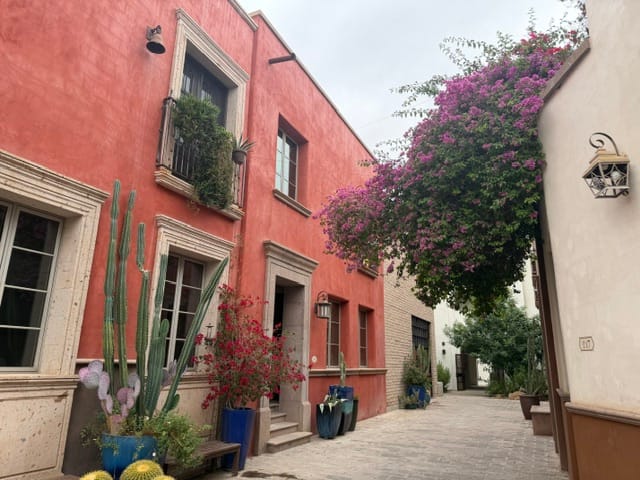
Barrio Viejo is the historic epicenter of the city and adobe architecture is visible in every street corner.
Stories Told in Visual Art
The rich interior lives of the residents here and the exterior magnificence of the Sonoran Desert landscapes and stunning sunrises and sunsets have inspired visual art both grand and intimate. In the historic Barrio Viejo is the striking Etherton Gallery which sits among 19th century adobe homes. The gallery’s acclaimed photography collection bridges both historic and the contemporary. This contrast between old (preserved) and new (modern) continues at The Tucson Museum of Art and Historic Block. The modern museum houses contemporary Indigenous, American West, Latin American and Asian pieces and historic buildings surrounding the museum are preserved in a unique blend of heritage and innovation.
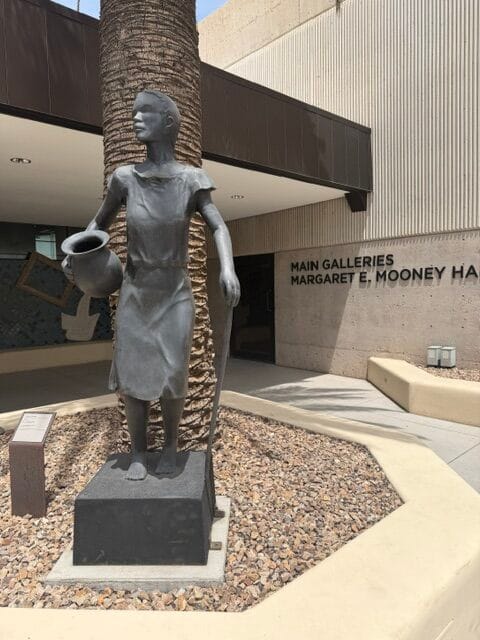
The Tucson Museum of Art and Historic Block, nestled downtown in the El Presidio neighbourhood is a journey through art and culture (Petti Fong photo for VacayNetwork.com)In 2026, America’s 250th year, Tucson reflects the founding ideals that made country what it was. The city, and it’s modern outlook and preservation of its ideals, show what cities are like today in practice. At the Mercado San Agustin market neighbourhood, signs urging I.C.E. Out were posted.
In all its sunrises and sunsets, and under desert light and nights, Tucson shows how a place can honour its history, stay true to its values of including everyone in its society, and keep hope alive that the next chapter in America will be, as shown in window signs and small acts, a more humane and kinder America.
If you go,
Eat here:
Tumerico is a Latin Inspired vegan and vegetarian restaurant recognized as the “Best Vegan Mexican Food in the US.
Tito and Pep has its dining experience centered on mesquite-fired dishes such as pork chops and octopus.
El Charro Cafe has been cited as one of the 21 most legendary restaurants in the U.S. by Gourmet Magazine, and is the oldest operating Mexican restaurant owned by the same family. It’s most famous dish is the Carne Seca Platter, a dried meat salad.
Stay here:
Armory Park Inn is a seven-room luxury bed and breakfast first built as a stagecoach stop for travelers en route to the Presidio in 1875. Its 5.49 m tall ceilings and 56 cm thick adobe walls adorned with saguaro rib and wooden vigas overhead tell a story of a time when travelers arrived by stagecoach. Host Amy Draper has a signature Armory Hour out at the peaceful outdoor patio or the calming indoor gathering spaces. For my 6 am flight home, she prepared a basket of fresh scones and oatmeal to take with me.